
10 Traditional Saree Motifs and Their Meanings
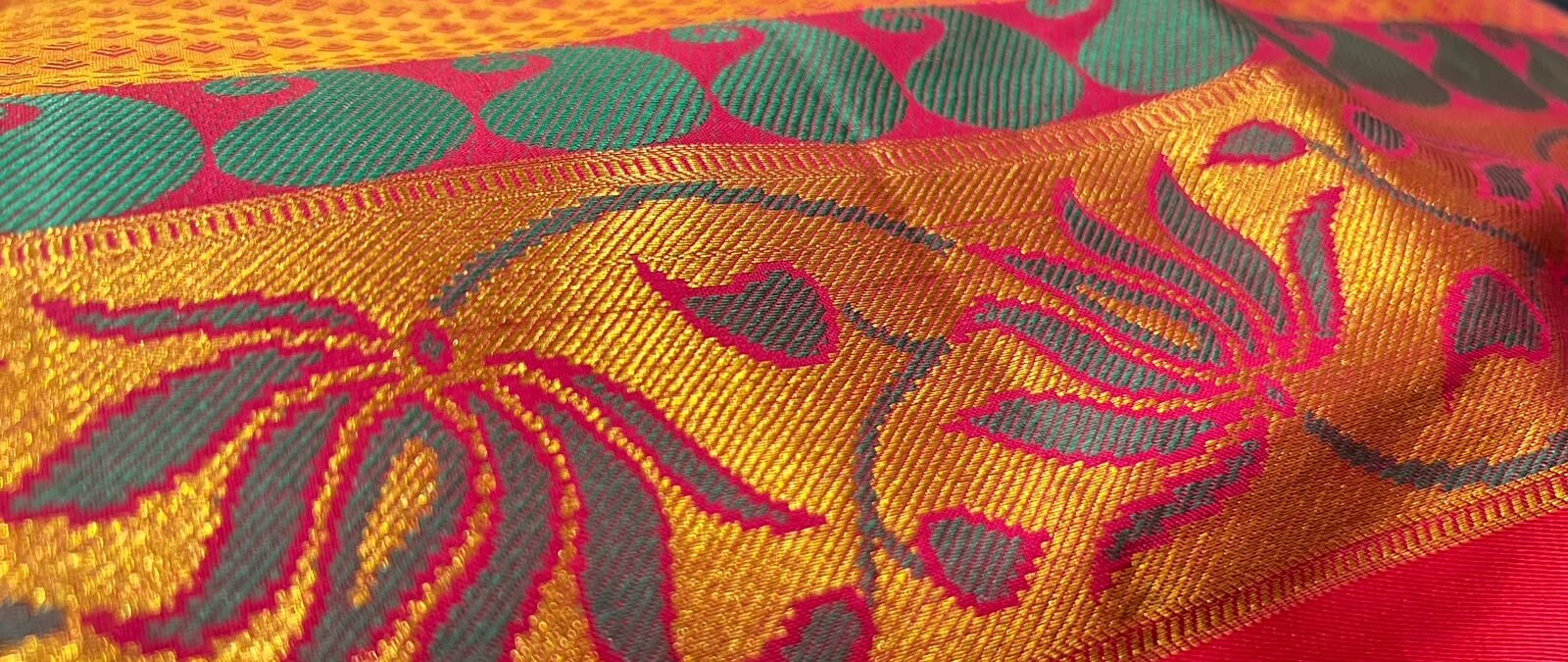
1.Kamalam (Lotus) Motif
The Kamalam motif, inspired by the sacred lotus flower, has held a revered place in Indian art, architecture, and textile traditions for centuries. Rising unblemished from muddy waters, the lotus represents purity, spiritual awakening, prosperity, and resilience. Frequently depicted in temple sculptures and classical paintings, the Kamalam motif reflects the harmonious relationship between nature and sacred symbolism.
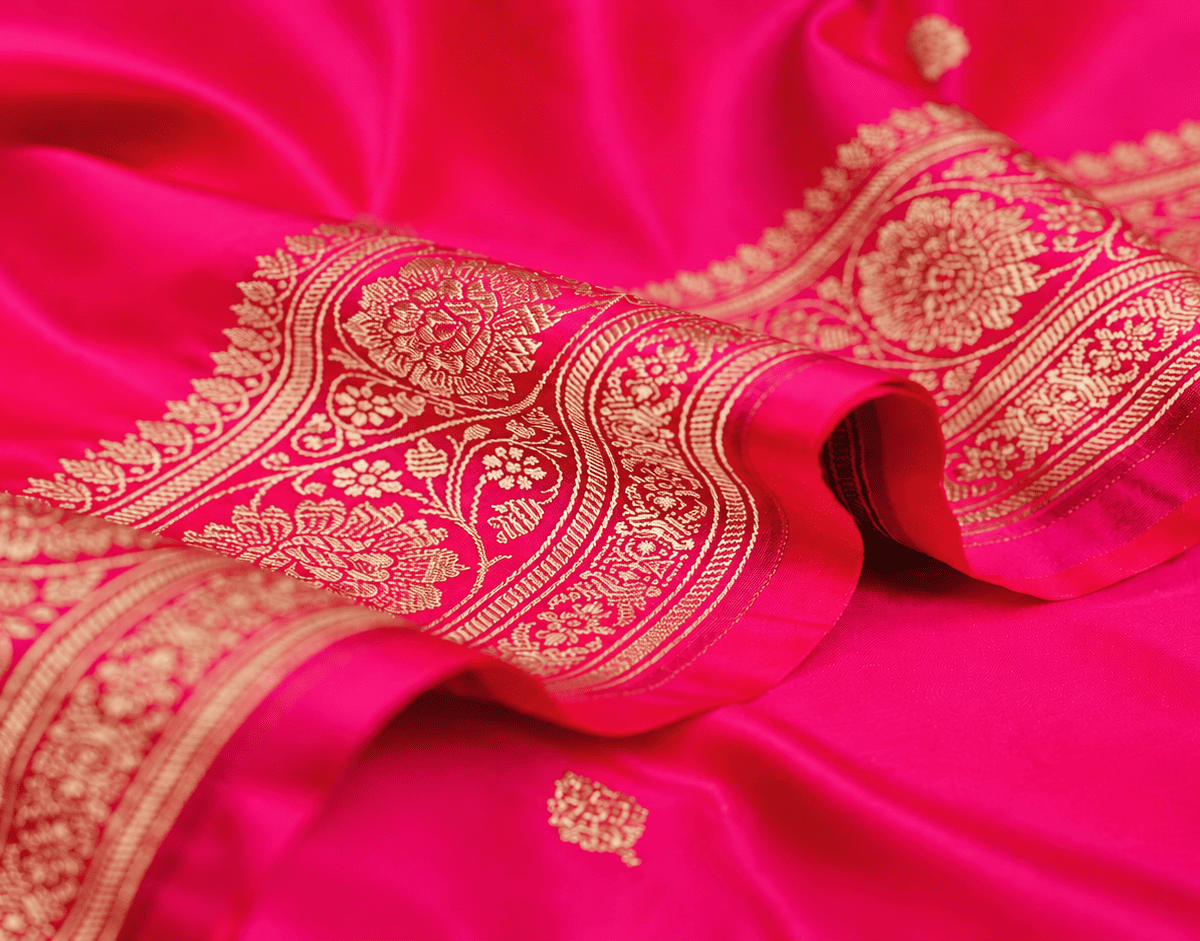
2.Kodi Visiri Motif
The Kodi Visiri motif takes its inspiration from intertwining creepers and the traditional hand fan, two elements deeply rooted in South Indian art and architecture. Found in temple carvings and classical decorative patterns, the motif represents prosperity, continuity, and the enduring bond between nature and craftsmanship. Its flowing composition reflects the organic movement of climbing vines, making it a distinctive feature in traditional silk weaving.
3.Yanai (Elephant) Motif
The Yanai motif draws inspiration from the elephant, an enduring symbol of strength, wisdom, and royal authority in Indian culture. For centuries, elephants have played a significant role in temple processions, royal ceremonies, and sacred traditions, making them a recurring element in classical Indian art and textile design. The motif reflects dignity, stability, and the cultural importance of one of India’s most revered animals.Master weavers incorporate the Yanai motif into silk sarees through detailed zari work, often featuring the elephant as a border design or decorative butta.

4.Yaali Motif
The Yaali motif is inspired by the legendary guardian creature found in South Indian temple architecture. Combining features of a lion, elephant, horse, and other powerful animals, the Yaali is regarded as a protector against negative forces and a symbol of courage and authority. Frequently carved into temple pillars and gateways, this mythical figure has become one of the most recognizable motifs in traditional textile artistry. Weavers adopted the Yaali motif to reflect the grandeur of temple architecture in silk sarees. Characterized by intricate curves and finely woven details, the motif demonstrates exceptional craftsmanship and precision.

5.Mughal jaal
The Mughal Jaal motif is inspired by the ornamental latticework and flourishing gardens of the Mughal era, where interconnected vines and floral patterns became a defining element of architecture, textiles, and decorative arts. Characterized by continuous scrolling foliage and intricately woven blossoms, the design reflects the influence of Persian craftsmanship blended with Indian artistic traditions. The repeating floral network symbolizes harmony, abundance, and the seamless rhythm of nature.

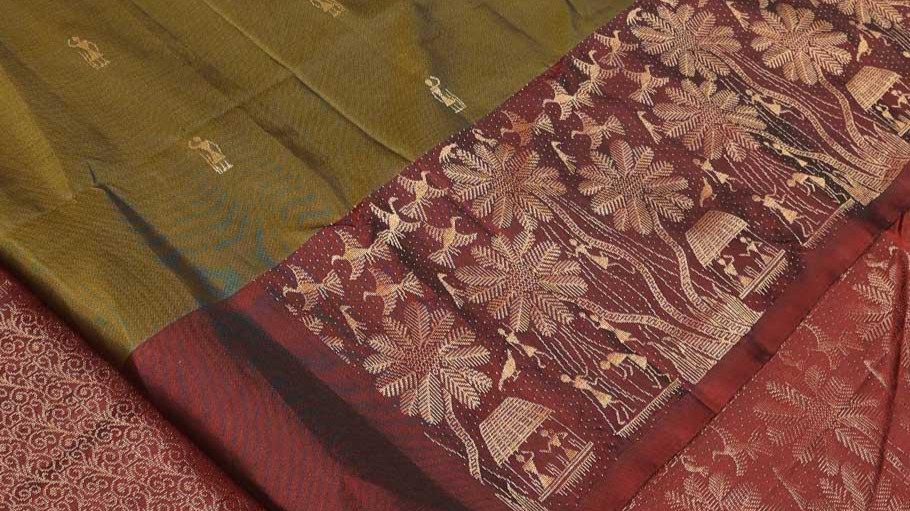
6.Pazhankudi / Naattukalai Motif
The Pazhankudi (Tribal) / Naattukalai (Folk Art) motif draws inspiration from the artistic traditions of India’s indigenous communities and rural heritage. Characterized by geometric forms, stylized human figures, animals, and nature-inspired patterns, these motifs reflect everyday life, cultural identity, and the close relationship between communities and their natural surroundings. Each design carries traces of regional storytelling that have been preserved through generations of artisans.
7.Annam (Hamsam) Motif
The Annam, also known as Hamsam, motif is inspired by the sacred swan that occupies a prominent place in Indian mythology and classical art. Revered as the vehicle of Goddess Saraswati, the Hamsam symbolizes wisdom, knowledge, purity, and spiritual discernment. Ancient texts describe the mythical bird as possessing the ability to distinguish truth from illusion, making it a lasting symbol of intellect and enlightenment.

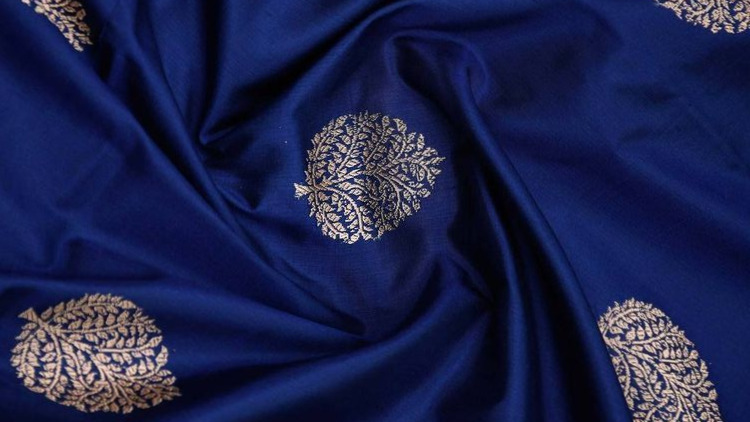
8.Prasanna Vruksha Motif
The Prasanna Vruksha motif draws inspiration from the Tree of Life, a symbol that has appeared across Indian art, temple carvings, and ancient textiles for centuries. Representing the interconnectedness of all living beings, the motif signifies growth, prosperity, renewal, and the continuous cycle of life. Its branching form reflects the enduring relationship between nature, culture, and spiritual traditions.
9.Veena Motif
The Veena motif is inspired by the ancient stringed instrument that has long symbolized knowledge, creativity, and artistic excellence in Indian culture. Closely associated with Goddess Saraswati, the veena represents the harmony between intellect and the arts. Its distinctive silhouette has appeared in temple sculptures, classical paintings, and traditional decorative arts, reflecting India’s enduring musical heritage.

10.Shri Chakra Motif
The Shri Chakra motif is inspired by the Sri Yantra, one of the most revered geometric symbols in Hindu philosophy and the central emblem of Sri Vidya tradition. Formed by a series of interlocking triangles enclosed within lotus petals and concentric circles, the Shri Chakra represents the union of cosmic energy and spiritual consciousness. It is regarded as a symbol of prosperity, harmony, divine energy, and universal balance. Artisans translate the Shri Chakra motif into silk sarees through meticulously woven geometric patterns and intricate zari work. Whether incorporated as decorative buttas, borders, or pallu designs, the motif reflects exceptional precision and mathematical symmetry.

Final Thoughts
Traditional saree motifs are more than woven patterns they reflect India’s rich cultural heritage, craftsmanship, and artistic legacy. From nature inspired designs to sacred symbols, each motif carries a unique story that has been preserved through generations. Understanding these motifs helps us appreciate the history, symbolism, and skilled artistry that continue to make handwoven silk sarees truly exceptional. At Krishna The Silk Store, Coimbatore, we celebrate this timeless tradition by offering a thoughtfully curated collection of silk sarees featuring classic Indian motifs. Every saree reflects the beauty of traditional weaving techniques while preserving the cultural stories woven into every design, making each piece a meaningful addition to your wardrobe.