Navaratri Golu 2026: Significance, 9 Days, Colours and Traditions
What is Navaratri Golu?
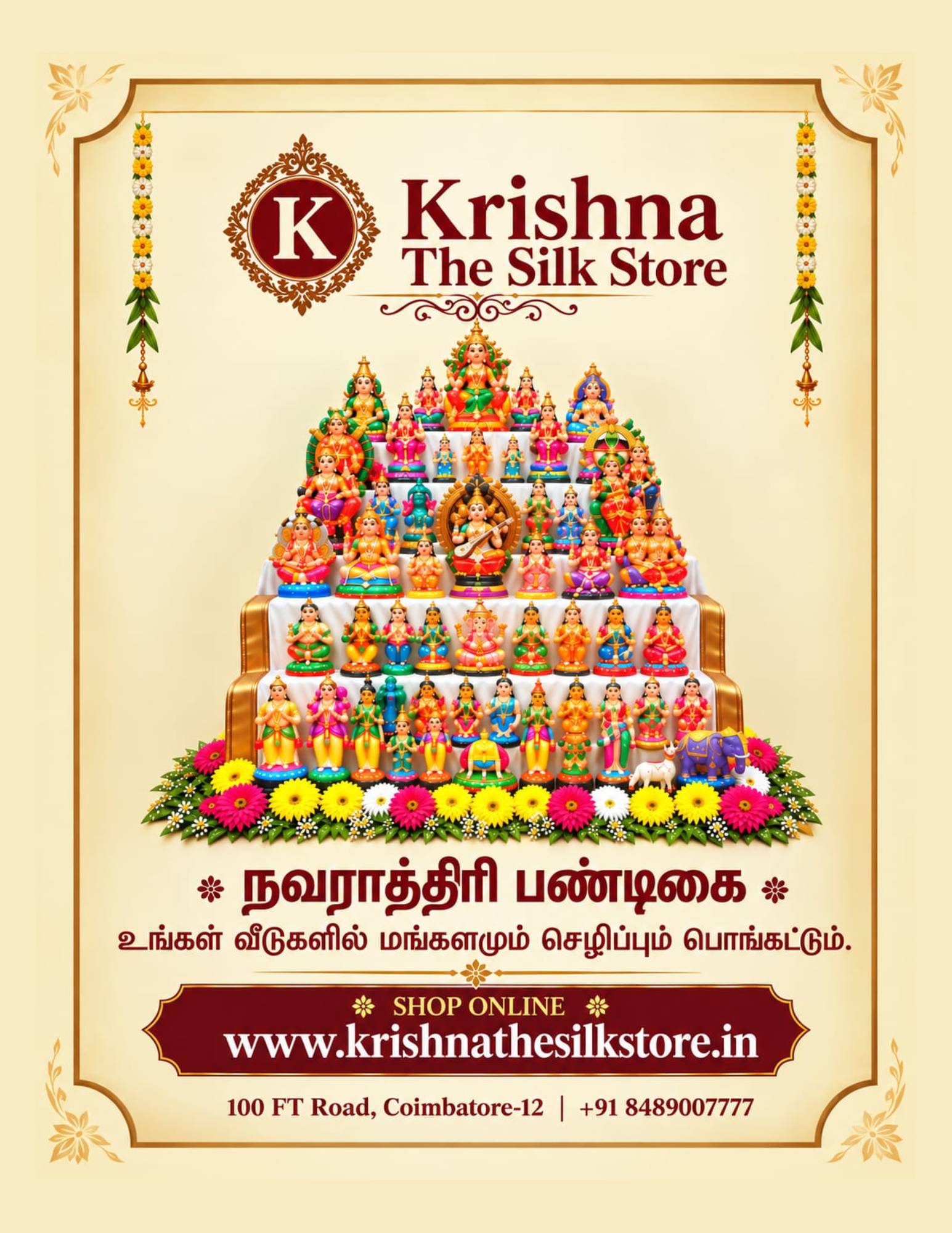
Navaratri Golu is a traditional South Indian celebration, especially popular in Tamil Nadu, Karnataka and Andhra Pradesh. The main attraction of Golu is the arrangement of dolls and figurines on odd-numbered steps, usually three, five, seven or nine steps. These dolls may represent Gods and Goddesses, kings and queens, village life, weddings, festivals, animals and everyday life. Golu is not just a decorative display. It is a beautiful way of bringing together devotion, tradition, creativity and community. Families spend time decorating their Golu, preparing traditional offerings and inviting guests to visit their homes.
Why Do We Celebrate Navaratri?
The word Navaratri means “nine nights.” The festival is dedicated to Goddess Durga and her different forms. The nine nights are associated with the worship of Shakti, the divine feminine energy. Navaratri represents the victory of good over evil and the power of divine energy to overcome negativity. In many traditions, the first three days are associated with Goddess Durga, the next three with Goddess Lakshmi, and the final three with Goddess Saraswati.
Together, they represent:
- Durga – Strength and courage
- Lakshmi – Prosperity and abundance
- Saraswati – Knowledge and wisdom
Why is Golu Kept During Navaratri?
Golu is traditionally arranged to celebrate the divine forms of Goddess Shakti and to share the stories and values of our culture with the next generation. The beautiful arrangement of dolls creates a festive atmosphere at home while also providing an opportunity for children to learn about Indian traditions, mythology, art and culture. For many families, Golu is also a time to bring relatives, friends and neighbours together.
What is Special About the Golu Dolls?
Every Golu display can tell a different story. Traditional Golu collections may include:
- Gods and Goddesses
- Dasavatharam dolls
- Krishna and Radha
- Shiva and Parvati
- Wedding sets
- Chettiar and Chettichi dolls
- Village scenes
- Musical and dancing dolls
- Animals and birds
- Traditional household scenes
- Festival and cultural displays
Some families create an entire Golu theme, using dolls to represent a particular story, temple, village scene or traditional occasion.
Why Are Golu Steps Usually in Odd Numbers?
Traditionally, Golu is arranged on an odd number of steps such as 3, 5, 7 or 9. The steps create a beautiful ascending arrangement, with divine figures generally placed on the higher levels and other figurines arranged below. The exact arrangement can vary between families and traditions, but the overall display represents an organised and meaningful presentation of divine and worldly life.
Navaratri 9 Days – Special Colours and Their Meaning
One of the most popular Navaratri traditions today is wearing a different colour dress each day. The colours associated with Navaratri can vary according to region, calendar and local tradition. There is no single universal colour list followed everywhere. A commonly followed colour sequence is:
Day 1 – Yellow
Yellow represents happiness, positivity and brightness.
Wearing yellow on the first day creates a cheerful beginning to the nine-day celebration.
Day 2 – Green
Green represents growth, prosperity and freshness.
It is associated with nature and new beginnings.
Day 3 – Grey
Grey represents balance, calmness and stability.
It gives a simple and graceful look while symbolising emotional balance.
Day 4 – Orange
Orange represents energy, enthusiasm and courage.
It is a vibrant colour that reflects the festive spirit of Navaratri.
Day 5 – White
White represents peace, purity and spirituality.
It is often associated with calmness and positive energy.
Day 6 – Red
Red represents strength, passion and power.
It is a vibrant colour that reflects the powerful energy of Goddess Shakti.
Day 7 – Royal Blue
Royal blue represents confidence, depth and divine strength.
It is a rich festive colour that adds a beautiful traditional touch.
Day 8 – Pink
Pink represents love, compassion and happiness.
It is a soft and festive colour often associated with positivity and celebration.
Day 9 – Purple
Purple represents spirituality, dignity and inner strength.
It gives the final day of Navaratri a rich and celebratory feel.
Celebrate Navaratri with Tradition, Colour and Joy
Navaratri is a beautiful celebration of devotion, tradition, colour and togetherness. These nine divine days remind us of the power of Goddess Durga and the victory of good over evil. From the vibrant colours and traditional attire to prayers and family gatherings, every moment of Navaratri holds a special meaning. At Krishna The Silk Store, we cherish the beauty of Indian traditions and the joy of celebrating our festivals. May this Navaratri bring new beginnings, happiness and positivity into every home.
📍 Krishna The Silk Store, 100 Ft Road, Coimbatore – 12
🌐 Shop Online: www.krishnathesilkstore.in
We look forward to celebrating the spirit of Navaratri with you and your loved ones.
May Goddess Durga bless every home with happiness, prosperity, strength and peace.
Happy Navaratri!